
An interview with Kennedy Middle School teacher Renee Perone
By Beth Schewe
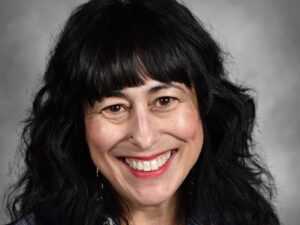
Thanks to a partnership with WNIJ 89.5, eighth-grade language arts students at Rockford’s Kennedy Middle School turned classroom lessons into hands-on media experience. Guided by experienced WNIJ reporters, the students practiced interviewing, active listening and audio production. They put their language arts skills into action with real-world audiences and, in the process, developed empathy, self-awareness, resilience and creativity.
The collaboration began when Kennedy Middle School teacher Renee Perone reached out to northern Illinois public radio station WNIJ hoping to create an authentic storytelling experience for her students. Reporters for the station, which is housed in the NIU Division of Outreach, Engagement and Regional Development, jumped at the chance to introduce young people to broadcast journalism.
We spoke with Perone to learn more about this impactful partnership. Here’s an excerpt from our interview.
I heard you were very interested in a StoryCorps-type experience for your students. Can you say a bit about why audio storytelling and interviews were so appealing as a teaching tool and what you hoped your students would gain from the experience?
What drew me to audio storytelling was how personal it is. I have been obsessed with the StoryCorps bus for years and had actually reached out to WNIJ about bringing it to Kennedy. At the time, I had no idea WNIJ had their own trailer, so I was thrilled by how responsive and excited they were to collaborate.
A lot of our students have incredible stories, perspectives and lived experiences, but they do not always realize how valuable those things can be in school spaces. Projects like this help shift the focus toward the strengths, experiences and perspectives students already bring with them into school. Interviews and oral storytelling center authentic listening, authentic audience, and an asset mindset that values students’ identities, experiences, cultures and communities.
This project was also heavily influenced by my graduate work in Urban Education through Rockford Public Schools and Rockford University, especially ideas around student voice, community-centered learning, and Funds of Knowledge, a concept developed by researchers that recognizes the valuable knowledge, skills, and experiences students and families already bring with them into school.
I love creating opportunities where students can actively shape the learning experience rather than simply participate in it. Projects connected to storytelling, podcasting and oral history shift that dynamic. Students make choices, ask questions, guide conversations, and help shape the learning and culture of the classroom. I think there is something really powerful about literally and figuratively handing students the microphone, and this is the environment that I want to create in my classroom.
I am also really interested in podcasting, journalism and storytelling because they create an authentic audience and purpose for student work. Students often ask, “Who is this for?” With storytelling and audio work, the answer becomes real. Their work is meant to be heard by others, preserved, shared, and connected to community.
I also think experiences like this help make reading, writing, speaking, and listening feel connected rather than isolated skills students only practice for school. In real life, communication is integrated. People interview, tell stories, research, collaborate, reflect, and communicate ideas for meaningful reasons. I want students to experience literacy that way, too.
What grade and subject do you teach?
I currently teach 8th grade English Language Arts. I always tell my students that I love putting the “arts” into my classes. I have found that when students are given opportunities to create, they show up differently and engage with their academics in a deeper, more meaningful way.
What are some of the skills, knowledge, and character traits you most want to instill in your students?
More than anything, I want my students to feel confident using their voices and sharing their ideas. I want them to become thoughtful, curious, reflective people who understand that their experiences, perspectives and stories have value and that I see their value.
I want students to develop empathy, self-awareness, resilience, creativity and the confidence to take risks. Middle school is such an important time in helping students figure out who they are and where they belong, so I want my classroom to feel like a space where students feel seen, heard and connected.

Can you share the story of your collaboration with WNIJ? How did you get in touch, what did you all do together and what were some highlights for you?
I love working with the community, and I will reach out to anyone! It is always so amazing to see how willing our community is to offer their time and expertise to create meaningful experiences for the students. I originally reached out to WNIJ about the possibility of bringing the StoryCorps bus to Kennedy, and that was when I learned they had their own mobile recording trailer. I was honestly amazed by how quickly they responded and how excited they were to collaborate.
What really stood out to me was that they did not just send one person. They brought an entire crew who worked incredibly hard with our students throughout the experience. The students were so excited, but I think more importantly, they felt valued. Our Kennedy students have so much insight, creativity, humor and resilience, and this project gave them a chance to show that side of themselves in a really authentic way. They constantly surprise me with the depth of their thinking and the way they care about each other and their community. It meant so much to them that real journalists and storytellers cared about their voices, ideas, stories and experiences. The WNIJ team created opportunities for students to learn about interviewing, storytelling and audio recording. The project blended literacy, storytelling, journalism and relationship-building in a way that felt authentic and meaningful.
One of the biggest highlights for me was seeing students who are sometimes quieter in traditional classroom settings become completely invested in the process. Students were not just completing an assignment for a grade. They were creating something meaningful with authentic purpose and audience, and that changed the level of engagement completely.
The goal for me, and I hope WNIJ is willing to work with me this next year, is to expand this work. I would love students to interview community members, leaders, artists and even well-known figures connected to our area. I am especially inspired by the NPR Thanksgiving broadcasts that center storytelling and reflection, and I would love to build toward experiences like that where students help preserve and share meaningful community stories through interviews and audio journalism.
Is there anything else you’d like to share?
Projects like this help students feel personally connected to school and to their learning. Sometimes students feel disconnected from traditional academic work because they do not always see themselves reflected in it. Experiences like oral history, storytelling, podcasting and journalism help bridge that gap.
I also think middle school students are often underestimated. When given meaningful opportunities and real responsibility, they are capable of incredible insight, empathy, creativity and professionalism. Our students consistently rise to the occasion when they are trusted with meaningful work and given opportunities to lead, create and share who they are.
Giving students the “mic” had a huge impact on the culture and sense of community we built throughout the year.
