
Three NIU Faculty Publish Case Study of Community Engagement and Promotion and Tenure Policies
We’re thrilled to celebrate three of NIU’s community-engaged faculty who recently published an article in Journal of Participatory Research Methods.

Alicia Schatteman, Ph.D.
Alexios Rosario-Moore, Ph.D., assistant professor of educational administration, Benjamin Creed, Ph.D., associate professor of educational administration, and Alicia Schatteman, Ph.D., vice provost for academic affairs and professor of public administration, authored “Changing Promotion and Tenure Policy to Institutionalize Community Engaged Scholarship and Artistry: Lessons From a Public R2 University.”
This article is the culmination of one part of a broader, multi-year project. The faculty have presented on the change process at several regional and national conferences, most notably:
- The Engaged Scholar Consortium in Portland, OR, in 2024.
- The Campus Compact Conference in Chicago, IL, in March 2026.
You can learn more about other parts of the project in our interview with Alexios Rosario-Moore.
What is Participatory Research?
Participatory research enables the people being studied to serve as researchers and experts – not just subjects. This approach harmonizes with the tenets of reciprocal community engagement, where community members are recognized as experts and their interests and needs help to drive the research agenda.
In this case, the “community” is the collective faculty members at NIU. The researchers offer an interpretive case study of the work they and their colleagues in the NIU Faculty Senate and Engagement Roundtable did to revise the Promotion and Tenure processes. Journal of Participatory Research Methods was the perfect fit for this research approach.
Why is this article important?
The article matters because it shares the authors’ experiences and knowledge with universities across the U.S. and beyond. The challenges faculty face in getting their community-engaged work recognized as valued and valid (more on this below) are certainly not confined to NIU! They’re a common part of academic life that community-engaged faculty are addressing at universities large and small. This article offers lessons faculty at other universities can apply to improve recognition and support for community engagement at their own universities.
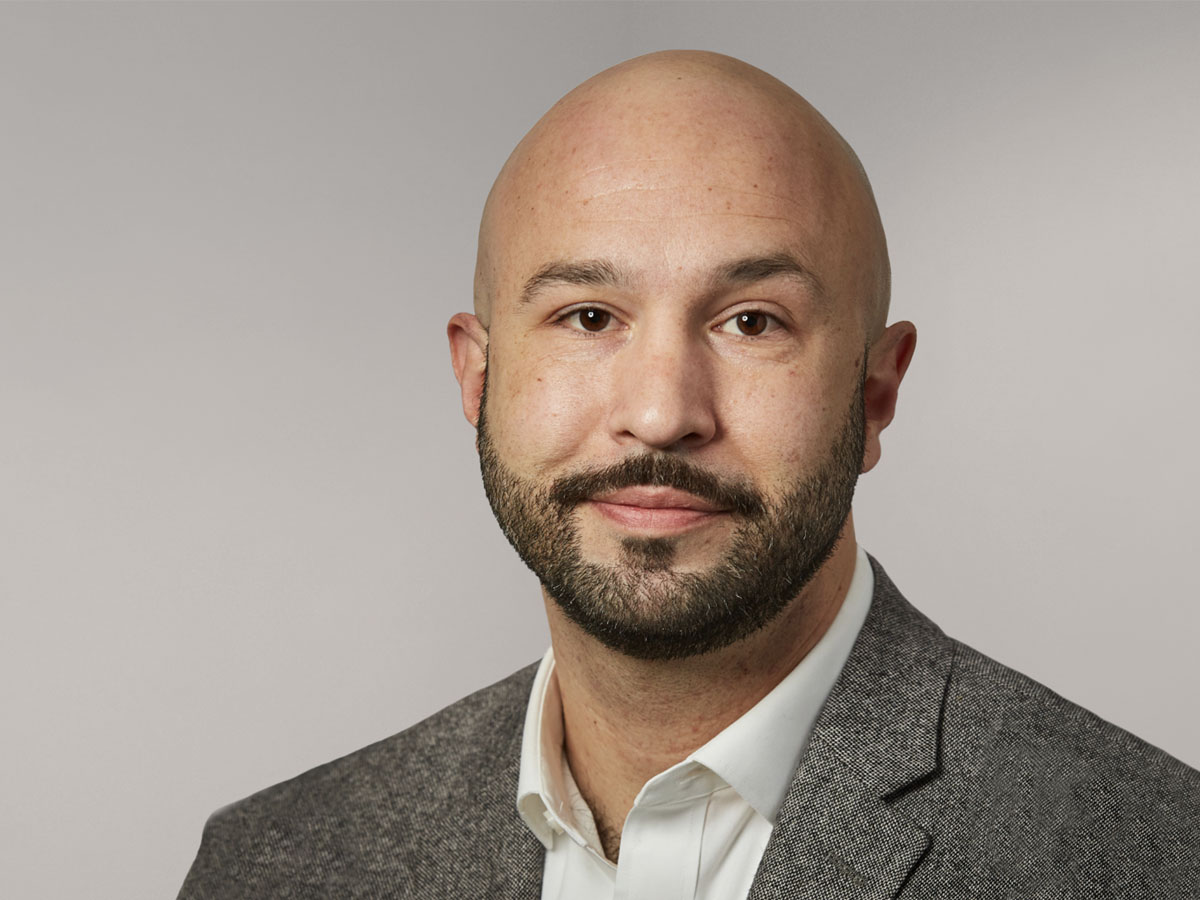
Alexios Rosario-Moore, Ph.D.
Getting recognition for community-engaged work: some background about the changes that took place at NIU.
NIU’s faculty senate revised the Promotion and Tenure (P and T) bylaws in 2024 because they saw a gap. While community engagement is central to NIU’s goals and mission, community-engaged scholarship wasn’t always recognized as part of the Promotion and Tenure process. Community-engaged work often falls outside of traditional methods for assessing scholarship and productivity, so it has to be done as an “extra” on top of traditional research and teaching. The P and T revisions were the first steps towards rewarding faculty across NIU who choose to work on community-engaged research, teaching and artistry.
In the words of NIU Faculty Senate president and study co-author Benjamin Creed, “The bylaw changes help to center as valid and valued the community engaged work many faculty do within the core incentive structure for faculty on campus – the faculty personnel processes governing promotion and tenure. Community engagement will no longer be seen as ‘extra’ on top of the already rewarded teaching/librarianship, scholarship, research and artistry. This will open routes for productive, excellent faculty members to be recognized for the work they do, and it better aligns promotion and tenure with the mission, vision and values of the institution.”

Benjamin Creed, Ph.D.
What are the article’s main conclusions?
The authors drew upon their own experiences as well as surveys and interviews of faculty across the university to present a few important findings.
- They found that when faculty lead an effort to make changes, and when they’re supported by university leadership and administration, changes to Promotion and Tenure policies are possible.
- However, they also discovered that – because departments maintain local control of implementation of policies – resistance to change can proliferate in departments dominated by more traditional views of scholarship.
- The authors conclude with several lessons for faculty intent on changing policies in their own institutions:
- Policy changes to P and T should not proceed without institutional study and sustained engagement with internal and external stakeholders.
- This should include establishing a set of common principles and a shared definition of community engagement.
- Policy changes are more likely to pass when they accurately reflect university values and address faculty concerns.
- Advocates for policy changes should recognize that college-level council members play a significant role in implementing or resisting change.
- Advocates should be prepared for a sustained communication campaign to implement changes.
Article Citation and Link
Rosario-Moore, A., Creed, B., & Schatteman, A. (2025). Changing Promotion and Tenure Policy to Institutionalize Community-Engaged Scholarship and Artistry: Lessons From a Public R2 University. Journal of Participatory Research Methods, 6(5). https://doi.org/10.35844/001c.147237
Casey – Steve can download these photos from Canto
